Is Bikram Yoga for Everyone? Who Should Be Careful?
Bikram yoga offers many benefits, but like any form of physical activity, it’s not the right choice for everyone, at least not in every situation.
Being honest about who Bikram yoga is and isn’t suitable for is an important part of building trust, especially for people who are new to hot yoga or have specific health concerns.
This article aims to provide clarity, not discourage, because informed decisions lead to better experiences.
Why Some People Feel Hesitant About Hot Yoga
When people hear about Bikram yoga, a few common concerns tend to come up:
“I have low blood pressure - is the heat safe?”
“I don’t handle heat well”
“What if I feel dizzy or overwhelmed?”
“Is hot yoga too intense for beginners?”
These concerns are valid. The heated environment does create additional stress on the body, which is why awareness and preparation matter.
When Bikram Yoga May Not Be the Best Choice
Bikram yoga may not be suitable, or may require extra caution for people who:
Have very low blood pressure
Experience frequent dizziness or fainting
Have certain heart conditions
Are currently ill, dehydrated, or recovering from heat-related issues
Are advised by their healthcare provider to avoid intense heat
This doesn’t mean these individuals can never practice yoga, but Bikram yoga may not be the best starting point without medical guidance.
The Importance of Listening to the Body
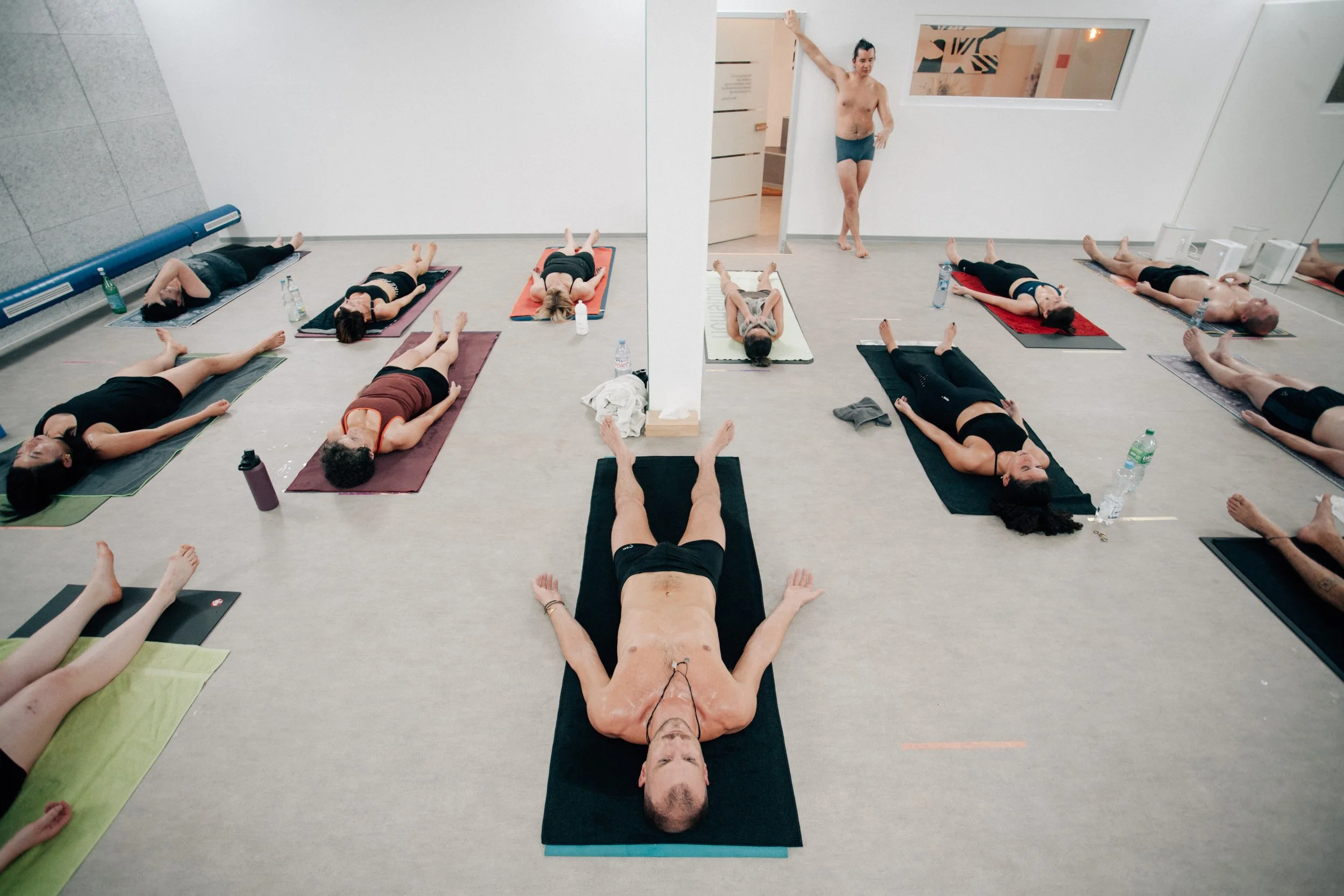
One of the core principles of Bikram yoga is self-awareness.
Students are encouraged to:
Rest whenever needed
Step out of the room if necessary
Drink water and recover
Move at their own pace
However, people who already struggle with heat tolerance may find that even with these options, the environment feels overwhelming.
Recognizing this early is not a failure, it’s a sign of respecting the body’s signals.
Who Bikram Yoga Is Often a Good Fit For
For many others, Bikram yoga can be a powerful and supportive practice, especially for those who:
Are generally healthy
Want to improve mobility and flexibility
Prefer structured, repeatable systems
Are focused on long-term health rather than intensity
Are willing to approach the practice patiently
Many students start slowly, take frequent breaks, and build tolerance over time, which is completely acceptable.
Alternatives and Modifications Matter
An honest studio culture encourages questions and open communication.
Speaking with a teacher before class can help determine:
Whether Bikram yoga is appropriate
How to approach the first classes
What signs to watch for during practice
In some cases, starting with fewer classes per week or choosing a different style of yoga may be a better option.
Making an Informed Choice in Basel
Bikram yoga isn’t about proving toughness or pushing through discomfort. It’s about working intelligently with the body you have today.
If you’re in Basel and curious about Bikram yoga but unsure whether it’s right for you, the most important step is getting informed, asking questions, and listening to your body.
A good practice and a good studio will always prioritize safety, honesty, and long-term well-being over intensity.